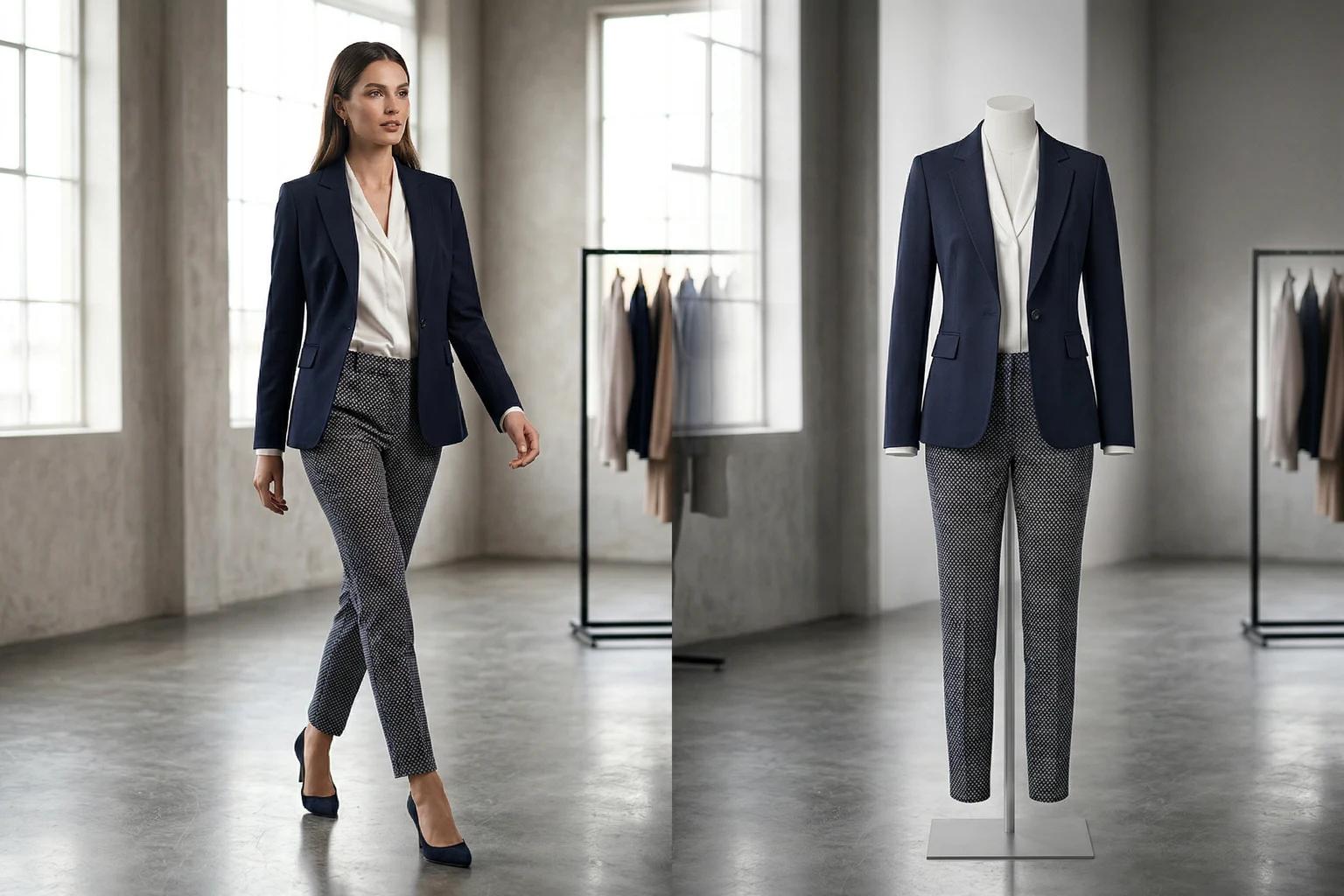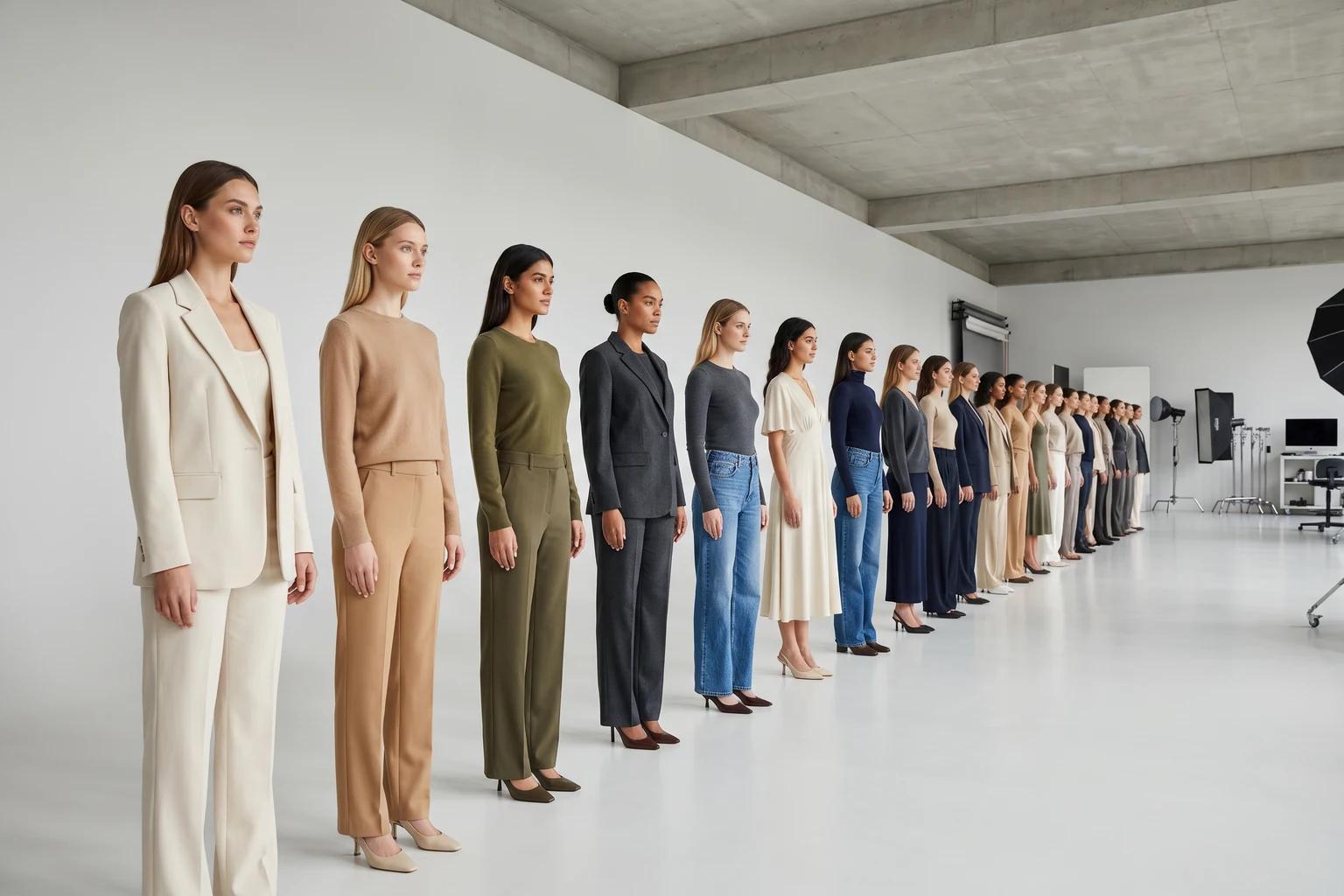
Every apparel brand ends up with a library of older product photos that are not truly bad, yet no longer feel current. The garments may still be selling. The photography may still be technically usable. But something is off. The casting feels dated. The backgrounds no longer match the site. The crop logic is inconsistent. The overall catalog feels like it was built in several different eras, because it was.
The instinctive response is often to book a reshoot. Sometimes that is the right move. Often it is not. A full reshoot is expensive, slow, and operationally heavy. It may be justified for hero campaigns, major brand resets, or products that really need a new creative treatment. But many older product photos can be refreshed more strategically.
The key is knowing what actually needs to change and what can stay.
Not every old photo is a bad photo
One of the most helpful mindset shifts is recognizing that age and weakness are not the same thing. An older product photo may still contain strong garment information. It may still show the shape clearly. It may still have stable lighting and useful framing. What dates it may be something more contextual, such as casting, background style, or lack of consistency with newer pages.
This matters because the strongest refresh projects do not start by throwing away everything. They start by identifying what remains valuable in the source image. When teams skip this step, they often create more work than necessary.
An image library is usually more salvageable than it first appears.
Audit the library by problem type
Do not review older product photos as a giant emotional pile. Break the problem down.
Which images still show the garment clearly.
Which ones are weak because the background feels outdated.
Which ones need stronger on body context.
Which ones feel inconsistent with current crop or lighting standards.
Which ones belong to best sellers or priority products.
This kind of audit changes the conversation. Instead of saying the catalog feels old, you start to see specific categories of opportunity. Some products may only need visual normalization. Some may need new model direction. Some may be fine as they are. Some may not be worth touching at all.
That is a much better basis for action.
Start with products that still have commercial upside
Not every old image deserves improvement. Begin with products that still matter. Best sellers, evergreen styles, proven basics, and pieces that continue to bring traffic are the logical first candidates. These products offer the clearest return because any improvement in image quality or consistency has more room to affect performance.
This is also where a reshoot versus refresh decision becomes easier. If a product is still commercially important and the source image remains clear, a targeted refresh may be enough. If the product is strategically central and the existing source is weak, then a new shoot may deserve consideration.
The important thing is to make that call based on upside and source quality, not on a vague sense that the site needs to feel newer.
Background refreshes can go a long way
One of the fastest ways to modernize older apparel imagery is through background logic. A dated environment can make a perfectly good garment photo feel older than it really is. By contrast, a cleaner, more current background treatment can make the whole image feel more aligned with the current brand direction.
This is particularly useful when the original product photography already communicates the garment well. In those cases, the image does not need to be reinvented. It needs to be repositioned visually.
Brands should still be careful here. Not every image benefits from a new background. If the original environment is already clean and aligned, replacing it may remove useful character. The right question is whether the setting is helping or holding the product back.
[Visual suggestion: before-and-after comparison of an older apparel image refreshed with cleaner background logic and current brand merchandising cues]
Model refreshes can improve representation and relevance
Another common reason older fashion imagery starts to feel weak is that the model direction no longer reflects the brand the way it once did. This can happen because casting norms changed, representation goals evolved, or the brand itself matured. A product photo may still show the garment clearly, but the overall page may no longer feel aligned with the audience the label wants to serve.
Refreshing model direction can be one of the most meaningful ways to update a catalog without rebuilding it from scratch. This is especially powerful when the garment is still strong but the page feels visually narrow or stale.
The value here is not cosmetic. It changes how customers locate themselves in the catalog.
Use old source images as material, not as finished answers
A useful way to think about a refresh is this. The old photo does not need to remain the final asset. It can become the raw material for a better one. That may mean turning a clean mannequin image into a more current on body image. It may mean using a strong flat lay source to build an updated product page visual. It may mean creating alternate versions for paid media or email without disturbing the core source library.
This mindset opens up more possibilities because it stops treating the old image as an all or nothing problem.
Standardization is often a bigger win than novelty
Many brands assume the refresh should maximize change. In practice, some of the strongest refreshes are quiet. They bring older images back into line with the current catalog. The crop becomes more consistent. The background becomes calmer. The pose logic becomes clearer. The overall brand presentation stops jumping around from one product to the next.
That kind of consistency upgrade may not feel dramatic internally, but customers notice it in the form of easier browsing and stronger trust. The site simply feels more together.
This is one reason catalog wide standards matter. A refresh works best when the team knows what the new normal actually is.
When a reshoot is still the right answer
A refresh should not become an excuse to preserve weak source material at all costs. If the garment is badly shot, badly lit, badly cropped, or no longer representative of the product, then the source may be too weak to justify more effort. The same is true if the brand has moved to a completely different visual language and needs a clean reset.
The key is honesty. If the source still has strong product information, it may deserve a second life. If it does not, do not force it.
Good content strategy includes knowing when to stop trying to rescue the wrong asset.
Build a refresh ladder
The easiest way to keep refresh work efficient is to create a ladder of interventions.
At the lightest level, standardize crop, selection, and visual placement.
At the next level, adjust background or presentation logic.
At the next level, refresh model direction or create alternate imagery for priority channels.
At the highest level, reserve full reshoots for products or campaigns that truly need them.
This ladder prevents teams from jumping straight to the most expensive answer every time an image feels dated.
Use refresh work to close historical gaps
Older image libraries often reveal more than age. They reveal uneven representation, inconsistent category logic, and shifts in brand taste that never fully made it into the catalog. A refresh project is a chance to close those gaps deliberately. Instead of updating images one by one with no larger plan, the team can decide which parts of the assortment need broader model range, which pages need cleaner visual consistency, and which older assets should be retired completely.
That turns a refresh from cosmetic maintenance into a smarter catalog improvement project. The work starts serving the present brand instead of simply apologizing for the past one. How to standardize apparel product images across your catalog is especially useful here because refresh work tends to fail when there is no clear standard to refresh toward.
Why this matters more in fashion than in many other categories
Fashion imagery ages quickly because brand worlds shift quickly. Casting changes. Styling changes. Background taste changes. Platform expectations change. What felt current two years ago can feel oddly distant now even if the product itself still matters. That is why apparel teams need a more flexible refresh strategy than many other ecommerce businesses.
The brands that do this well are not constantly reshooting everything. They are constantly reassessing which assets still carry value and how those assets can be updated intelligently.
If your older source photos are still strong enough to work from, UNSTILL can help extend them into fresher, more current outputs. The guide to preparing source photos is a useful filter for deciding what is worth refreshing in the first place.
The practical conclusion
Refreshing old fashion product photos without a reshoot is not about pretending the old library is perfect. It is about seeing which parts of that library still deserve to work for you. Strong garment clarity, useful lighting, and clean source structure can go much further than teams expect. Once you know what still holds value, you can modernize model direction, background logic, and overall consistency without rebuilding the entire production process.
That is often the smarter move. Not because reshoots are bad, but because refreshing with judgment lets the brand move faster, spend more selectively, and improve the catalog where it matters most. If you are evaluating which old files are still worth working from, the guide to preparing source photos is a practical next step before you open a new project in Unstill.