Apparel teams often treat mannequin photography and model photography as opposing choices. In reality, they solve different problems. A mannequin image is usually good at showing structure, product shape, and straightforward garment presentation. A model image is better at helping customers imagine fit, energy, and identity. The smart question is not which one wins in the abstract. The smart question is what each format is best for, and how to use them together without wasting budget or creating visual inconsistency.
That question matters even more now because many brands are sitting on years of mannequin imagery while trying to build richer product pages and stronger creative. They do not always need to reshoot everything. Sometimes they need a better strategy for turning what they already own into something more useful.
Why mannequin photography became so common
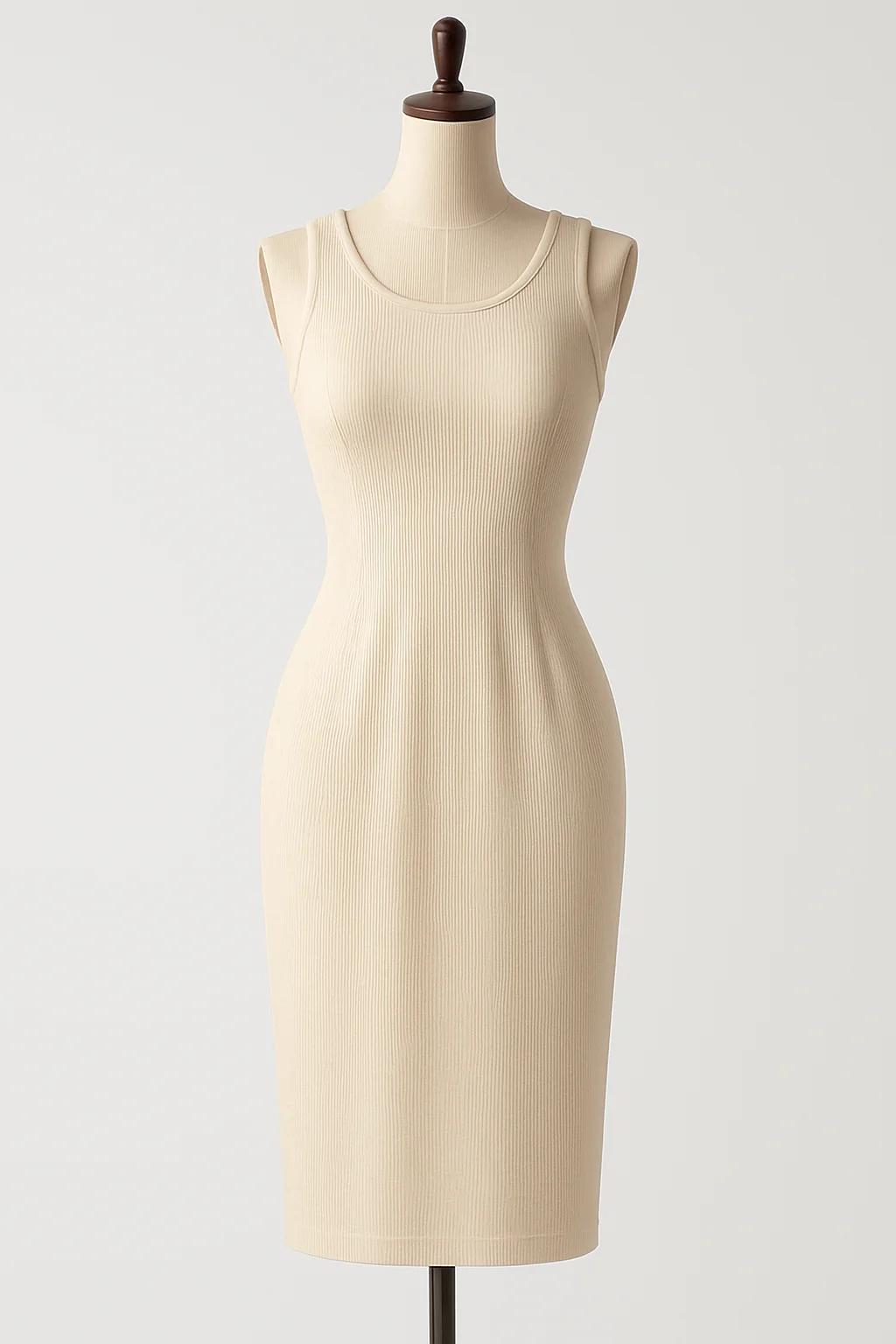
Mannequin photography became popular because it solves a very real business problem. It is efficient. It is consistent. It keeps attention on the garment. It is easier to scale across large catalogs than live model shoots, especially for brands with many styles, frequent drops, or tight cost control.
For categories like tops, dresses, jackets, and knitwear, a front facing mannequin image can show construction and shape clearly. It helps merchandising teams keep the product centered. It is also relatively stable across seasons because the styling variables stay limited.
There is a reason so many brands built their catalogs this way. The format is practical.
Where mannequin photography falls short
The weakness appears at the moment of imagination. Customers want to understand not only the garment itself, but also how it feels on a person. They want cues about proportion, movement, body presence, and styling context. A mannequin can communicate some of that, but not all of it.
This gap becomes more noticeable in certain categories. Dresses, softer trousers, occasion wear, and any garment where drape matters often benefit from a human presence. The same is true for products where brand identity depends on attitude, lifestyle, or a sense of customer alignment. A mannequin image may be clean and useful, but it can feel emotionally thin.
That does not make mannequin photography bad. It simply shows its limits.
What model photography adds
Model photography adds context, aspiration, and a more intuitive sense of fit. A shopper can read posture, movement, body proportion, and attitude in a second. This is especially valuable when the garment relies on how it falls, how it moves, or how it sits on a body. Model imagery can also help a brand create stronger emotional connection because it presents the clothing as lived rather than displayed.
This is why many ecommerce teams want model images even when they already have a full mannequin library. The product is technically visible in the old photos, but the page may still feel flat. The item may still feel hard to imagine. The catalog may still lack range in model representation or modern visual consistency.
Model imagery often closes that gap.
The hidden cost of thinking in absolutes
Brands sometimes set up the problem as a total switch. Either we keep using mannequin shots or we move everything to live model photography. That framing usually creates unnecessary cost and complexity.
A better approach is more selective. Ask which parts of the catalog truly need on body context. Ask which products perform well enough with clean mannequin imagery. Ask which assets can be upgraded from the existing library rather than reshot from zero. Ask whether different channels deserve different treatments.
Once teams stop thinking in absolutes, they usually find a more efficient content strategy. Mannequin images remain useful for clarity and scale. Model images become more targeted and purposeful.
When mannequin photography is the right answer
Mannequin photography still works very well when the main objective is consistent product clarity. It is especially effective for categories where structure matters and emotional styling is less central to the sale. It also works well for lower priority products, long tail inventory, wholesale line sheets, marketplace feeds, and situations where speed and consistency matter more than expressive storytelling.
If the mannequin image is front facing, evenly lit, and cleanly framed, it can still be an excellent asset. It may not need replacing at all. In some workflows it may serve as the best source image for creating additional assets later because it already gives the garment a stable body reference.
That last point is important. Mannequin photography is not only an endpoint. It can also be an input.
When model photography earns its cost
Model photography becomes more valuable when shoppers need help understanding fit, lifestyle, and product personality. It is also valuable when a brand wants to express representation more clearly across the catalog. If the garment is hard to evaluate without a body, or if the brand story depends on human context, then model imagery does real work.
This is often true for premium basics, dresses, occasion wear, performance apparel, and any product where the way the item sits or moves is part of the appeal. It is also true for assets that support launch moments, paid social, home page modules, and editorial storytelling.
The key is that the model image should have a job. If the job is clear, the investment usually makes sense.
Why older mannequin libraries are more valuable than they look
Many brands think their old mannequin images are obsolete because they no longer match the look of the site. That may be too harsh. If the garments are still current and the photos are clean, those files may be one of the most useful raw materials in the business. They already show the item clearly. They are consistent. They often exist at scale.
The challenge is not that they are worthless. The challenge is that they are underused.
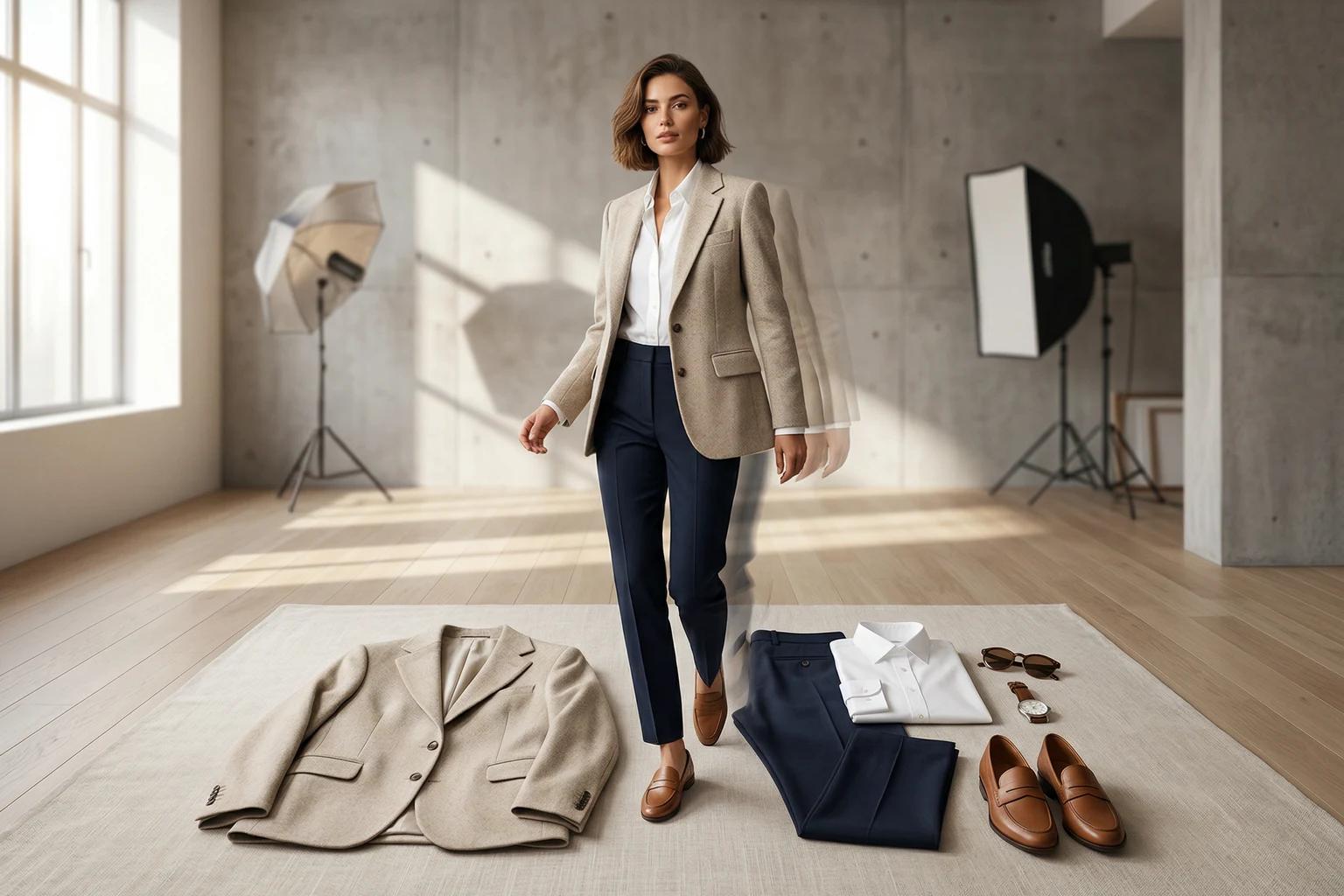
This is exactly where AI assisted workflows can help. A strong mannequin photo can become the source for model imagery, new background directions, or refreshed creative without forcing the team to restage the product physically. That does not replace campaign photography, but it can dramatically extend the usable life of existing commerce assets. This is often the same decision tree behind how to refresh old fashion product photos without booking another reshoot.
How to decide what deserves transformation
Not every mannequin photo should be turned into a model image. Start with the categories where the additional human context is most likely to matter. Best sellers are a natural place to begin because improved imagery has more room to affect revenue. Seasonal launches are another good candidate because they need momentum quickly. Older evergreen products can also benefit, especially if the product is still strong but the page feels visually dated.
Then look at source quality. The cleaner the mannequin image, the more reliable the transformation will usually be. If the source is cluttered, cropped strangely, or badly lit, it may not be worth pushing further.
This simple filter prevents the team from spending effort where the upside is weak.
The channel matters more than teams admit
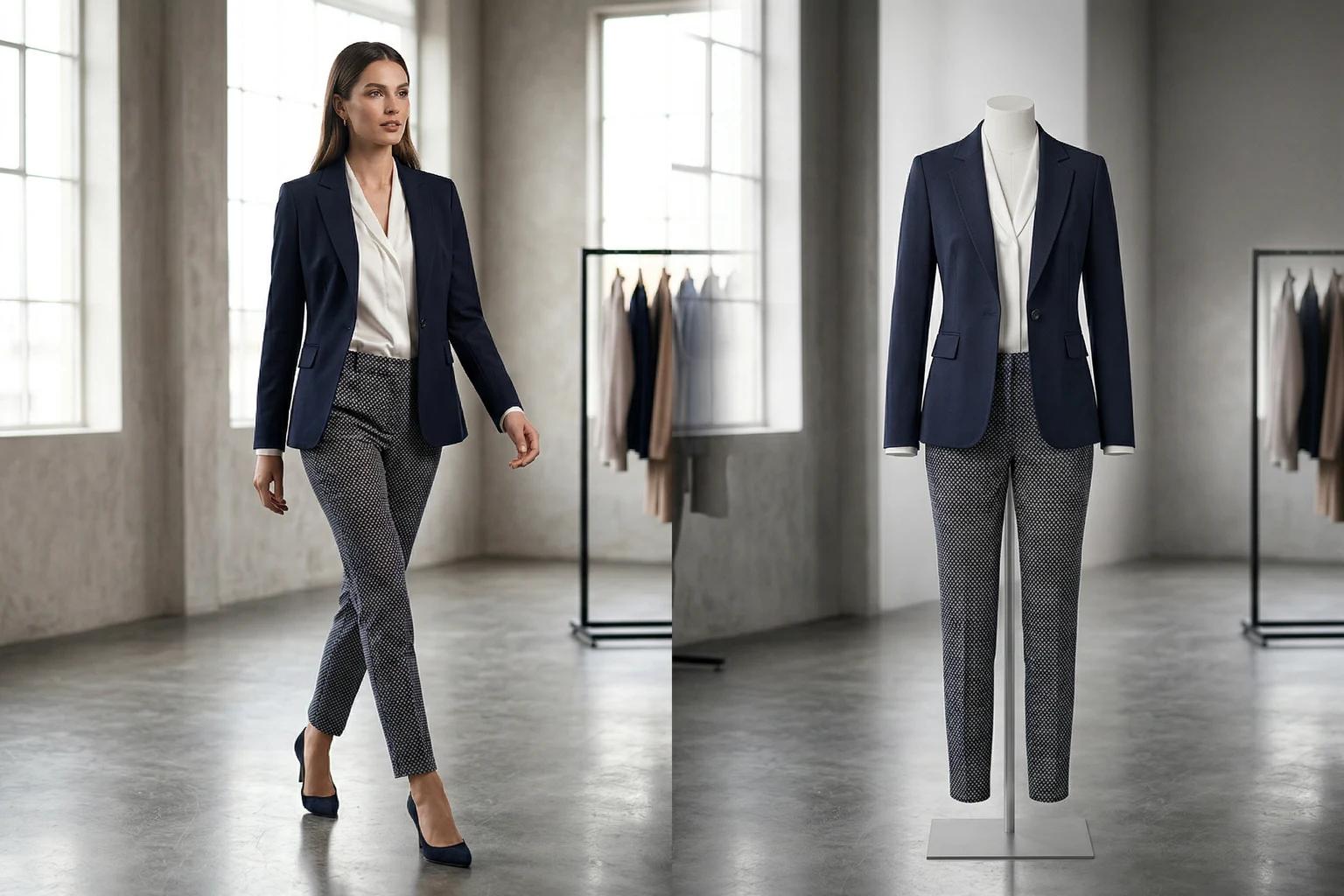
One reason the mannequin versus model debate never ends is that the answer changes by channel. For a product grid, clean mannequin imagery may still perform just fine. For a paid social ad, the same image may feel lifeless. For a product detail page, a mix may be best. The mannequin shot can support clarity and consistency, while model imagery adds fit context and persuasion.
That is why the best content systems are layered. They do not insist on one format for every need. They build a ladder of assets that match the job to be done.
This approach is also kinder to budget. You stop overspending on visual treatment where it adds little value and concentrate effort where it can genuinely improve performance.
How to review the two formats fairly
If your team is deciding where mannequin or model imagery should lead, compare them against the same questions.
Which image helps the customer understand the garment faster.
Which image fits the brand better.
Which image works better at thumbnail size.
Which image makes the product feel more desirable without making it less trustworthy.
Which image could be repeated across many styles without making the catalog feel messy.
Those questions move the discussion away from personal taste and toward commercial usefulness.
A practical strategy for most apparel brands
For many brands, the best answer is hybrid.
Keep strong mannequin imagery where it still serves clarity and scale. Upgrade priority products with model imagery where fit and persuasion matter more. Use older mannequin photos as source material for selective refreshes. Reserve full live shoots for campaign moments, hero stories, and products that truly need bespoke direction.
This is not a compromise strategy. It is a mature one. It respects the strengths of each format and stops forcing one asset type to solve every problem.
If your team is already sitting on a large mannequin library, that library may be less of a creative limitation than it seems. It may be the foundation for a more flexible image system, especially if you combine it with a workflow that can turn structured product images into better on body content over time.
The practical conclusion
Mannequin photography and model photography are not enemies. They are tools for different moments in the customer journey. One emphasizes stability, clarity, and efficiency. The other emphasizes context, fit, and emotional connection. Brands get into trouble when they insist one should do the work of both.
A better strategy is to understand what each format does well, then build a workflow around those strengths. When you do that, older mannequin imagery becomes more useful, live model content becomes more targeted, and the entire content system becomes easier to scale.
That is the real goal, not picking a winner, but building a catalog and campaign engine that uses each format where it can actually help the product sell. If you want to turn structured product assets into more persuasive on-body visuals, how to turn flat lay photos into model images is a useful parallel workflow, and Unstill gives you a practical place to test the shift on priority SKUs. Use Unstill on the products where added fit context is most likely to change the buying decision.