Most fashion products do not need motion at the same time. Teams still end up treating video like an all-or-nothing upgrade, which is how budgets get stretched and launch calendars get noisy.
The better approach is to decide where motion actually removes shopper uncertainty or helps a hero product work harder across channels. Some garments clearly benefit from movement. Others are already fully explained by a strong still image.
This guide breaks down how to choose which products deserve video first, how to separate commerce use from campaign use, and where an AI still-to-video workflow becomes more practical than planning another shoot.
Start with products where motion answers a real product question
Video is most valuable when movement teaches the shopper something a still image cannot explain quickly enough.
That usually happens in categories where drape, swing, layering, or proportion materially affect the buying decision. A slip dress in motion can show fluidity and length more clearly than another static frame. Wide-leg trousers benefit when the shopper can see how the leg opens as the model walks. Outerwear often reads better when movement shows structure, closure behavior, and overall volume.
If motion does not clarify the product, it is probably not the first place to spend time.
This is the same principle behind how to build a fashion PDP image sequence that helps shoppers decide faster. Every asset needs a job. Video is not exempt from that rule.
Separate conversion video from attention video
Not all product video is doing the same work.
Some motion assets are there to help a shopper buy. Others are there to help the product earn a click, stop a scroll, or add launch energy. The priority should change depending on which job you are solving.
Conversion video
This is motion that helps the customer understand fit, shape, or fabric behavior.
Common candidates include:
- Dresses, skirts, and relaxed tailoring where drape matters
- Trousers and denim where stride reveals leg shape better than a still
- Lightweight outerwear where open versus closed movement changes the read
- Occasionwear where fabric movement supports confidence in the silhouette
Attention video
This is motion that helps a hero product travel better in social, paid, email, or campaign placements.
Common candidates include:
- Launch hero styles with strong visual personality
- Seasonal statement pieces that need broader channel coverage
- Products with one proven still image that can extend into short motion content
- Best-selling silhouettes being refreshed for a new campaign window
When those two jobs get mixed together, teams end up overproducing motion for products that do not need it and underinvesting in the ones that do.
Build a simple motion-priority score
If your assortment is large, do not debate motion product by product from scratch. Score each candidate against a few practical questions:
- Does movement reveal something important about the garment?
- Is this a hero SKU for launch, paid, email, or social?
- Would motion improve shopper confidence more than one additional still image?
- Can the asset be reused across more than one channel?
- Do you already have a strong still image to build from?
Products that score high on several of these factors should move to the top of the list.
Products that score low should usually stay in the still-image lane for now. That is not a downgrade. It is focus.
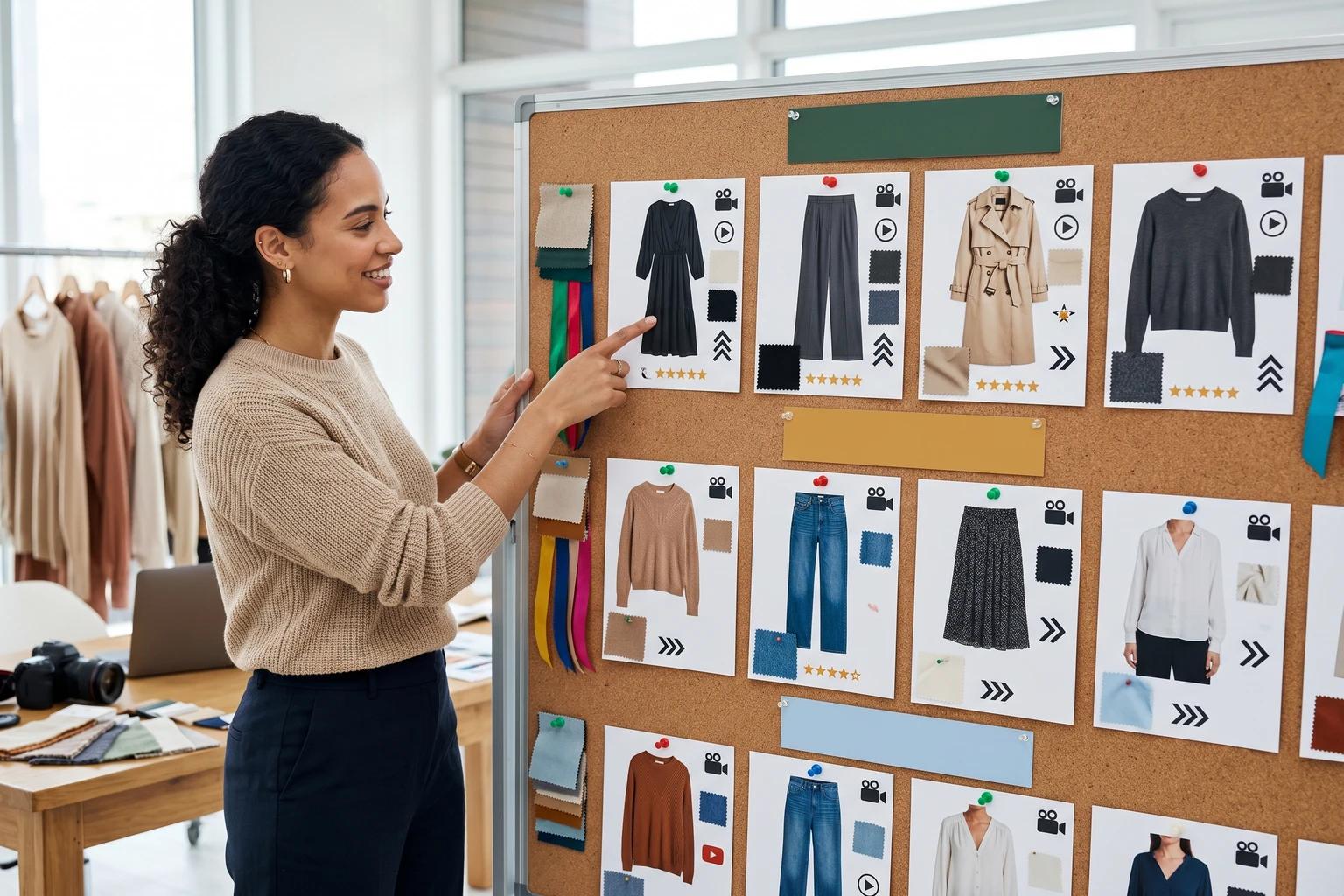
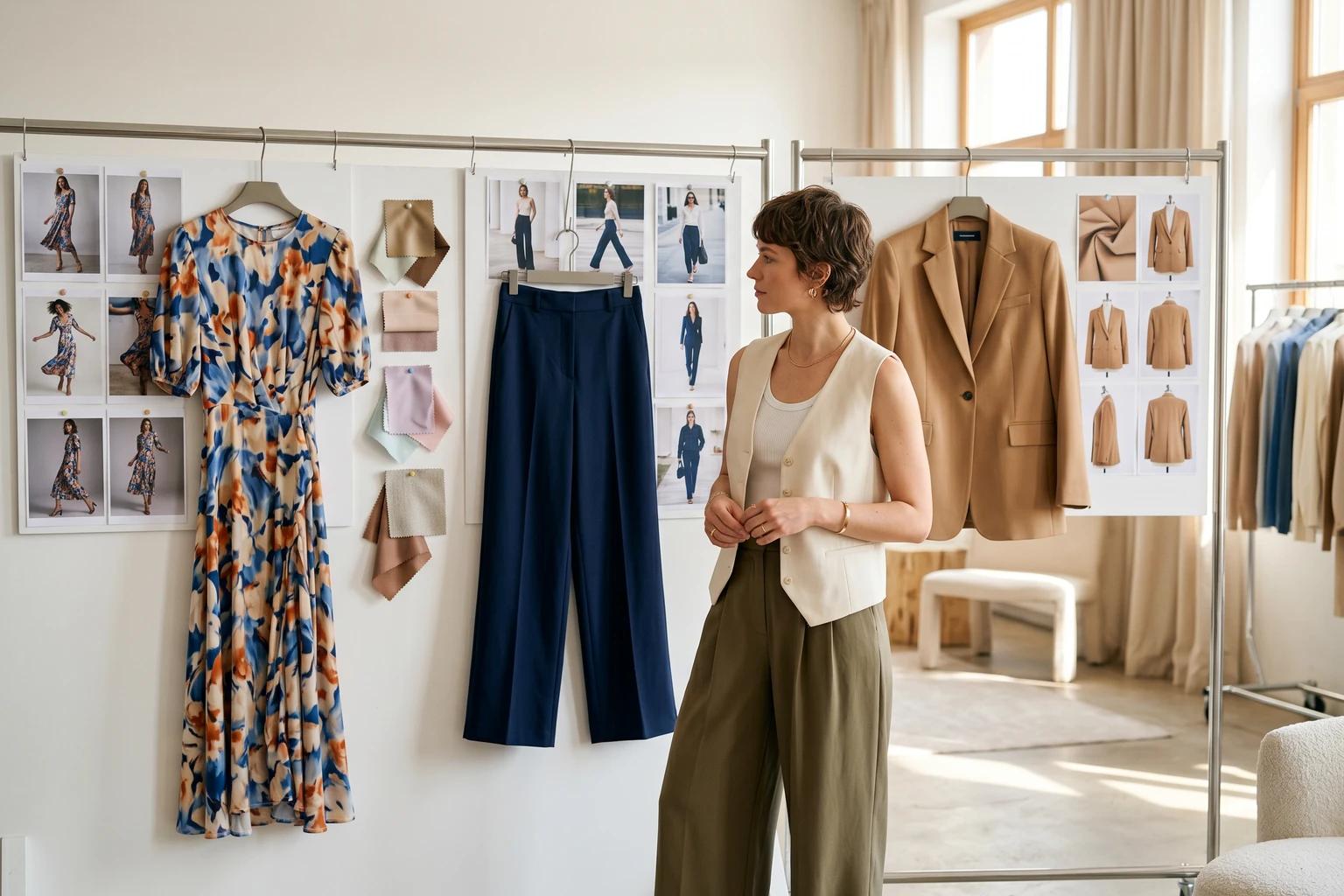
This kind of board also keeps ecommerce, creative, and growth teams aligned. Instead of saying a product should get video because it feels exciting, you can say it is a high-priority launch dress with visible drape and multi-channel reuse potential.
If your team is still deciding which products deserve deeper visual investment overall, how to prioritize on-model images across your fashion catalog is the right companion framework.
Still images should win more often than many teams expect
A lot of products are already explained well by strong stills.
Structured blazers, simple tees, replenishment tanks, straightforward denim washes, and basic knit tops often do not need motion first. In many cases, a better sequence of still images will improve the PDP faster than a video asset will.
That is especially true when the current problem is not lack of motion. It is lack of clarity. If the shopper still cannot see the neckline, back view, fabric texture, or true silhouette, adding movement too early can distract from the real gap.
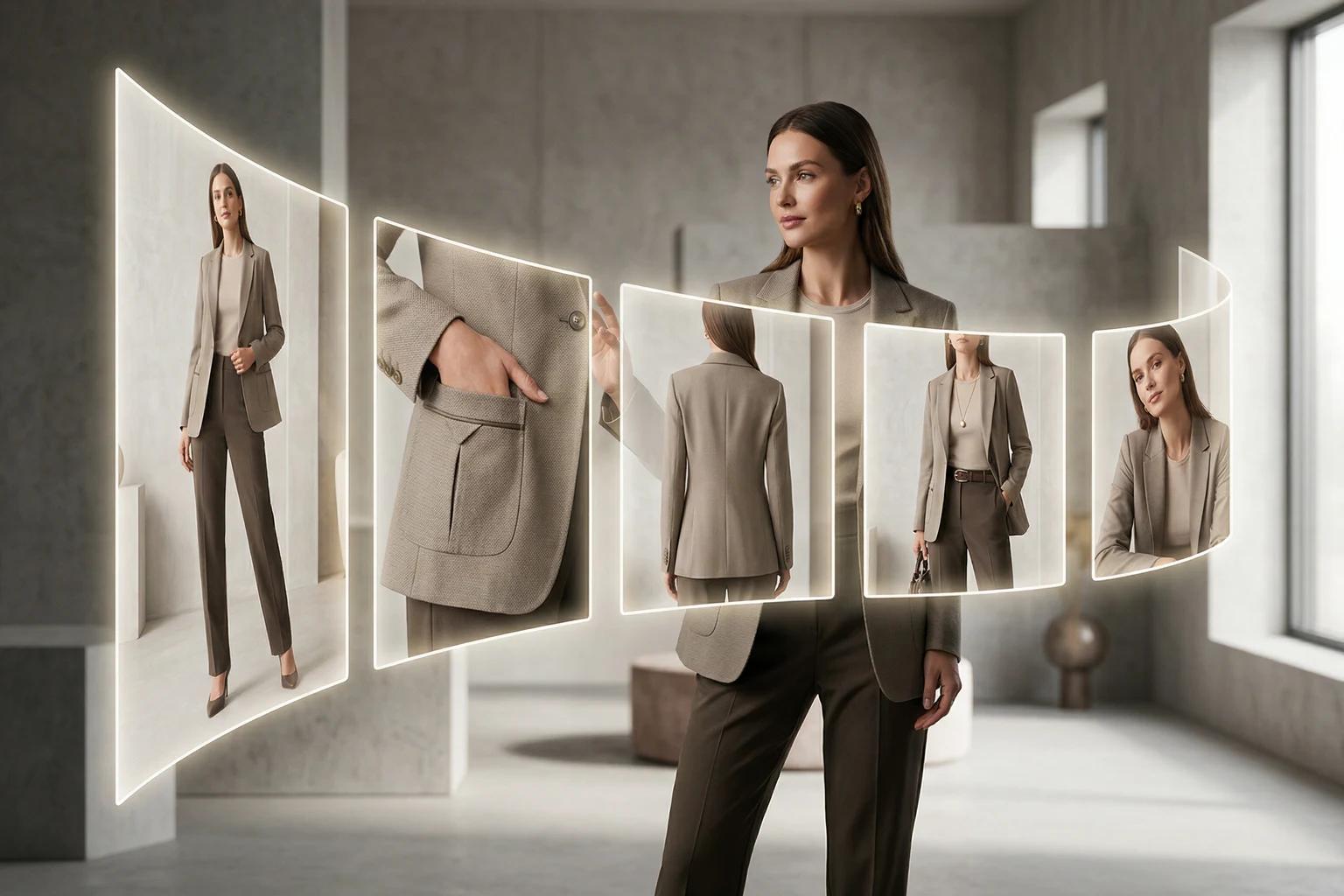
This is also why one extra still can outperform a video when the gallery is incomplete. For many products, the smarter upgrade is a clearer secondary on-body frame, not a new motion asset.
Choose the source still before you choose the motion treatment
The strongest product video usually starts with a still image that is already doing its job well.
If the garment is readable, the pose is stable, and the product truth is intact, you have a much better foundation for motion. If the still is weak, the video tends to inherit that weakness.
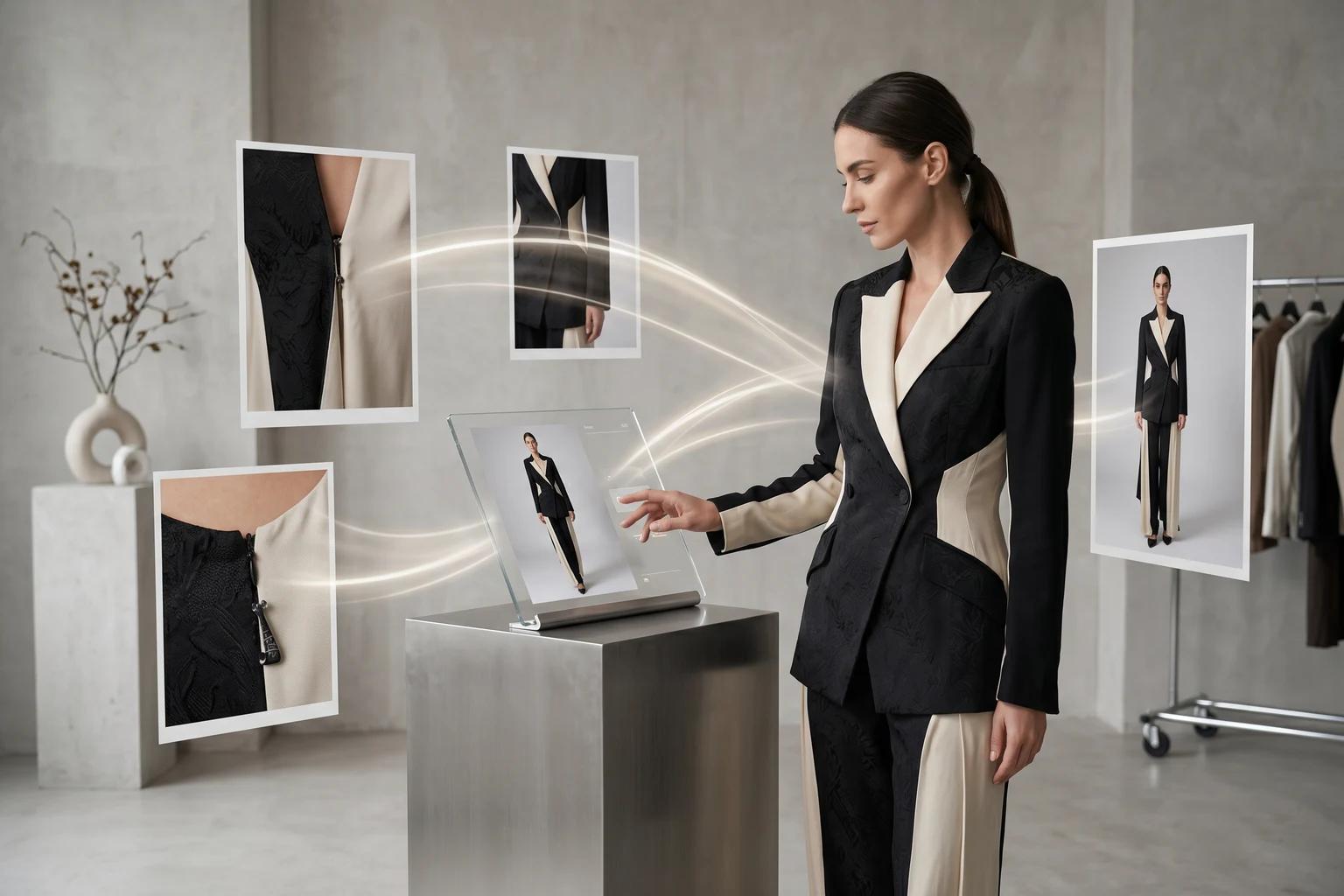
That is where how to turn one fashion photo into PDP, email, and social assets becomes useful. The same disciplined source image that supports multi-channel stills often supports motion too. You do not need a brand-new content system for every format. You need a dependable source asset and a clear reason to extend it.
For teams working this way, a workflow inside Unstill is often more practical than building a separate video shoot around every hero SKU. A strong still can become a short motion asset after the product has already proven itself in review.
Match the motion style to the garment and the channel
Once a product earns motion, restraint still matters.
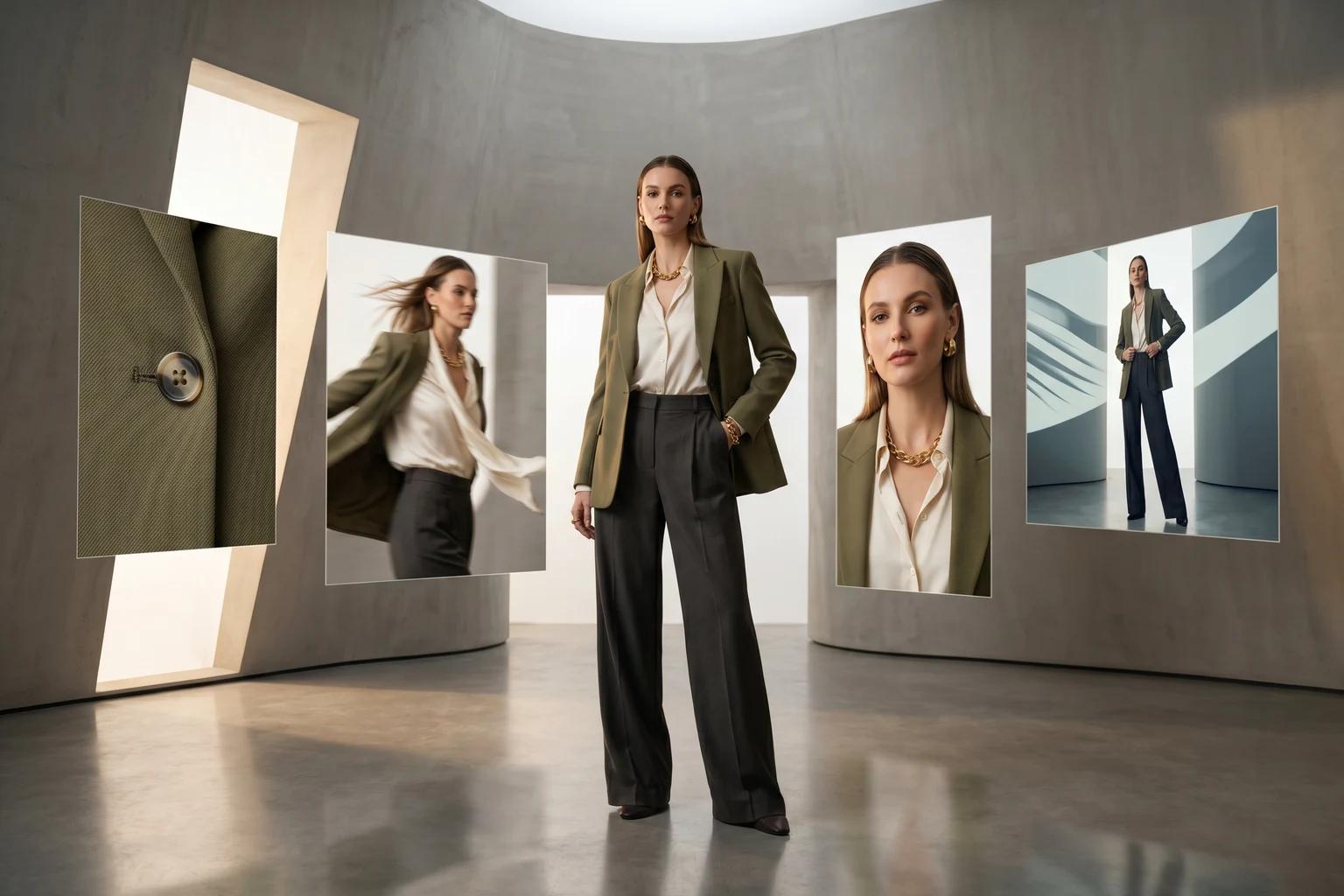
A soft dress may only need a gentle weight shift or short walking loop to show drape. A premium coat may benefit from subtle turn-and-settle movement. A campaign hero for paid social can usually tolerate more energy, but the garment still needs to remain legible.
Too much motion creates the same problem as a bad pose in still photography. It starts pulling attention away from the product.
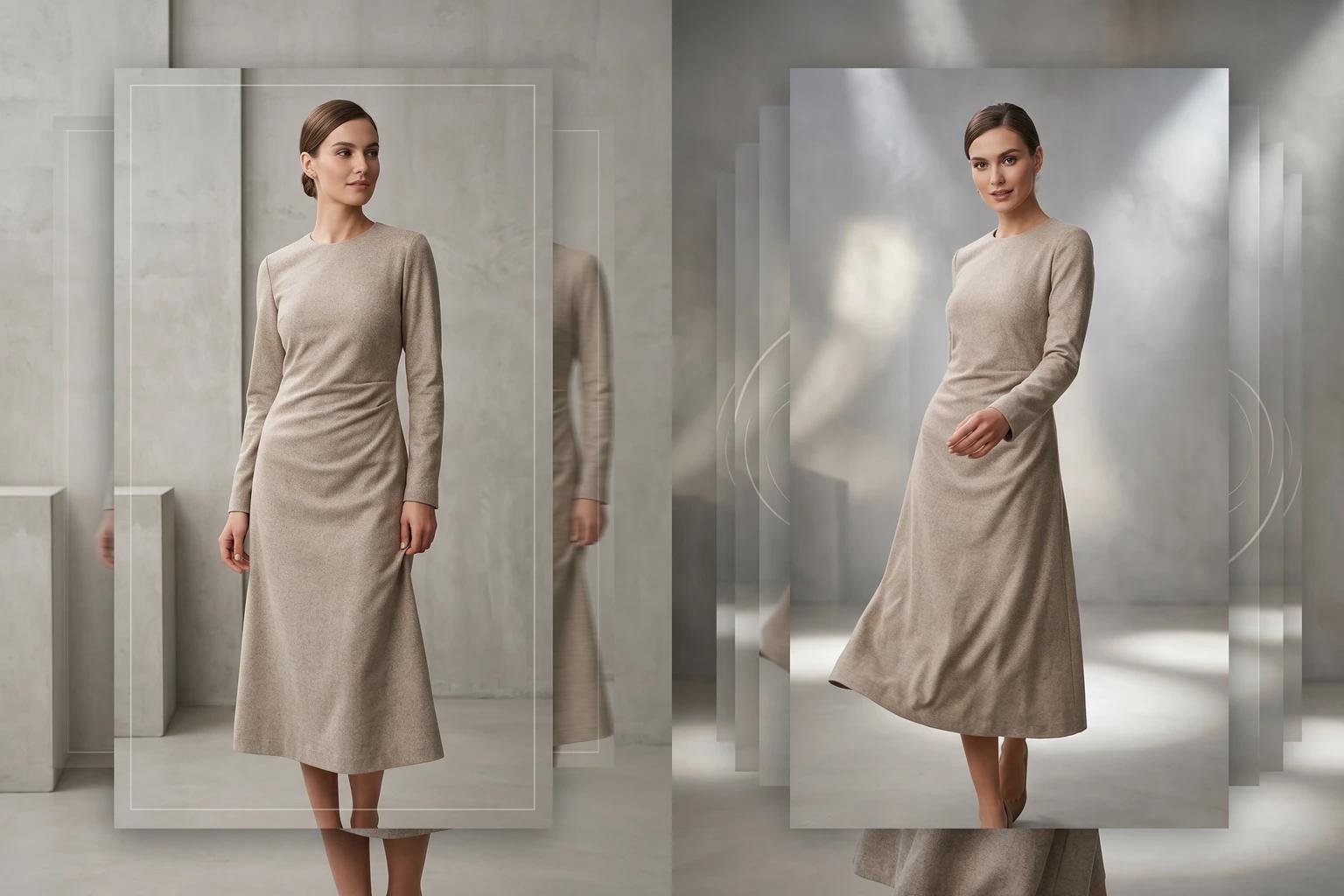
If your team is already using Unstill outputs operationally, how to review, export, upscale, and create videos in UNSTILL covers the downstream decisions around export, quality, and when video is worth creating at all.
Review motion like merchandise, not like entertainment
A motion asset can feel polished and still fail the product.
Before approving video, ask:
- Does the movement improve garment understanding?
- Does the product stay readable at mobile size?
- Does the motion fit the role of the channel?
- Does the asset still belong beside the rest of the catalog?
This matters even more when the motion is generated from an existing still. The standard should stay commercial. A useful video should make the garment easier to judge, easier to imagine wearing, or easier to notice in the right channel.
If it only makes the asset feel busier, it is not doing enough work.
Build a rollout order instead of promising motion for everything
Most teams do better with a simple rollout sequence:
- Prioritize launch hero products where motion clearly adds value
- Extend proven stills into short video for social, paid, or email support
- Add motion to secondary categories only after the first batch is performing well
- Keep a still-first standard for products that do not need motion yet
This creates a cleaner system. The best motion assets get made first. The rest of the assortment stays readable and consistent instead of being forced into a format that does not help.
The takeaway
The right first video products are not the ones that look most exciting in isolation. They are the ones where motion solves a real merchandising or channel problem.
When you rank products by garment behavior, launch importance, source-asset strength, and cross-channel reuse, video stops being a novelty layer and becomes a smarter content decision. That is when still-to-video workflows start creating real value.
Try this on your next launch
Before you create motion for another batch of products, score the assortment and pick the few styles where movement will actually help the shopper or strengthen channel performance. Then use Unstill to extend the strongest stills first, instead of treating every SKU like it needs the same video plan.