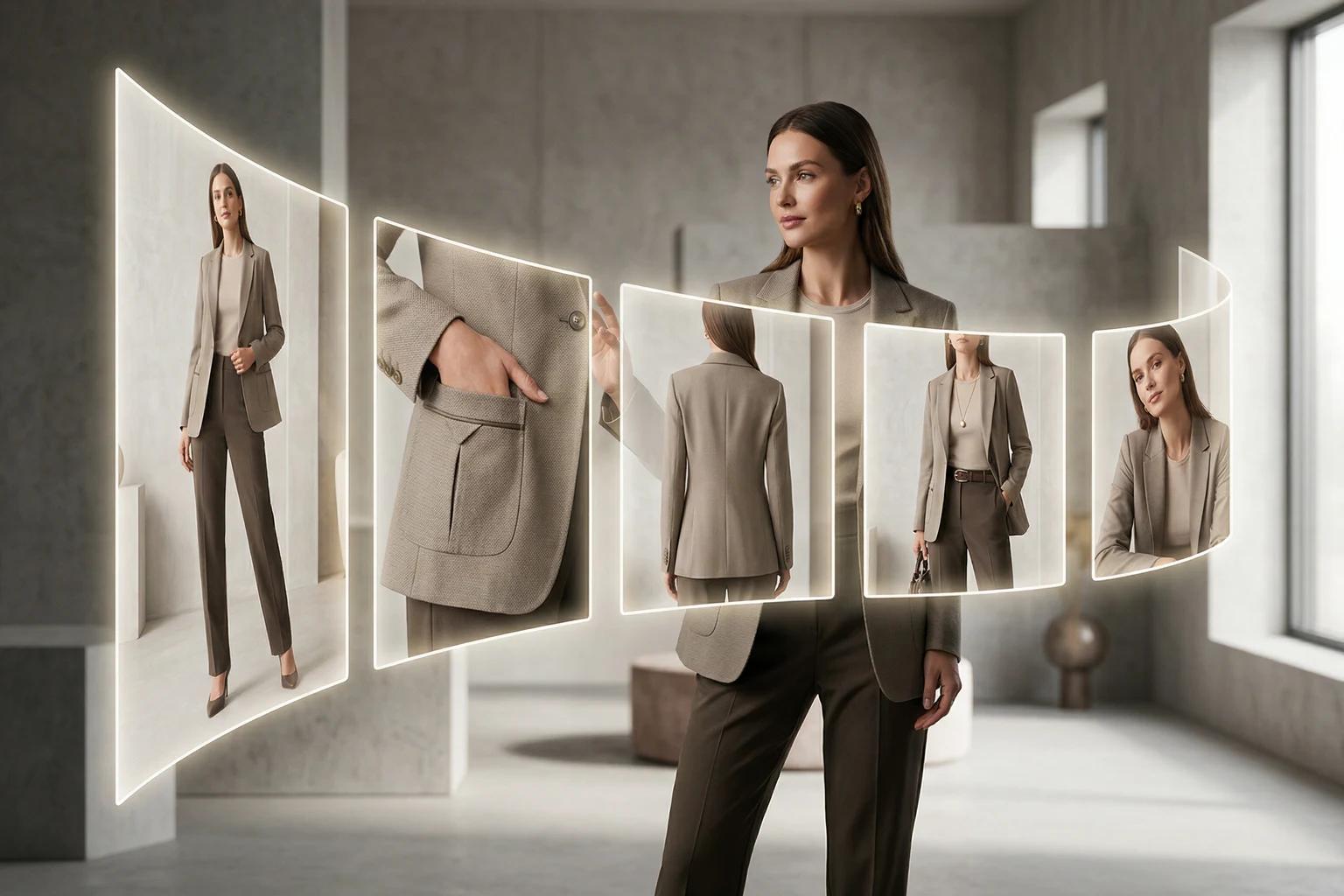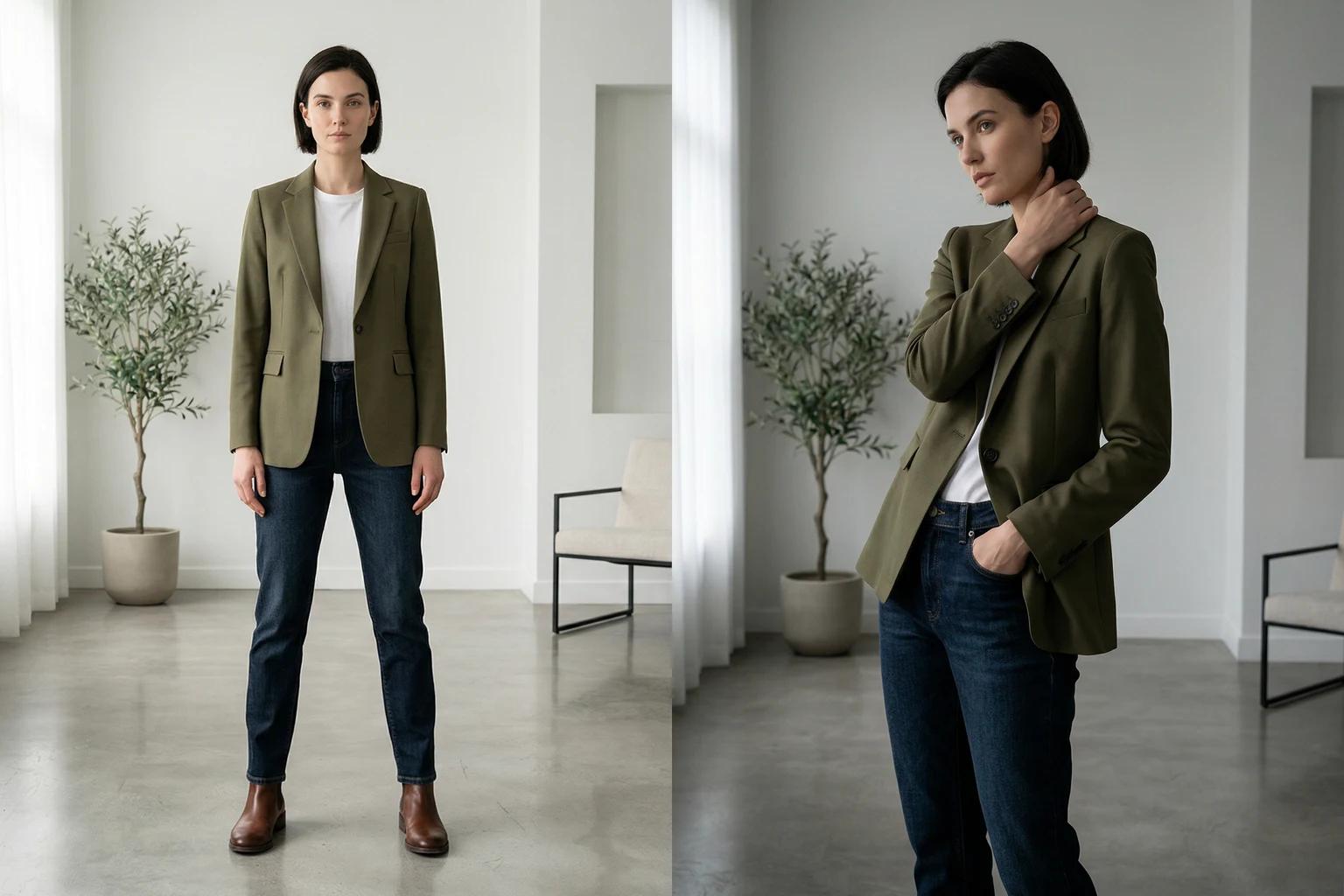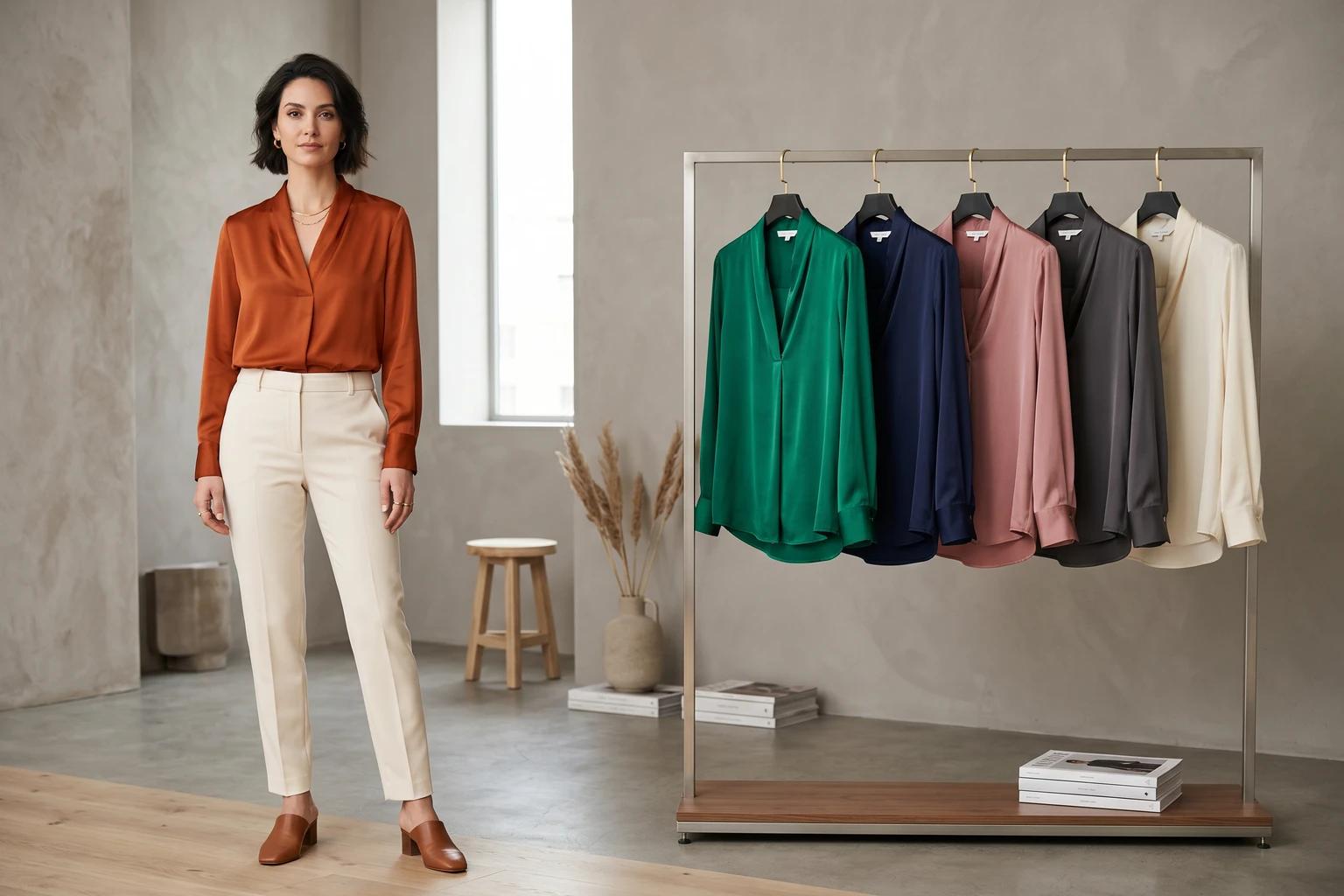
A lot of fashion returns start before the package ships.
They start on the product page, when the shopper has to guess. The dress looks longer than it is. The trouser leg is hidden by the pose. The ivory colorway looks opaque in one frame and slightly sheer in real life. The jacket appears structured from the front, but the back view is missing. None of those issues guarantees a return, but together they create the kind of uncertainty that turns into disappointment later.
That is why return reduction is not only a sizing or fit-note problem. It is also an image-clarity problem. When your product visuals answer the right questions early, shoppers make better decisions and fewer purchases are built on guesswork.
This guide breaks down which image gaps tend to create avoidable returns, how to review your PDPs through that lens, and where AI-generated fashion visuals can help you close missing coverage without rebuilding the whole shoot plan.
Returns often come from unanswered product questions
Customers do not return products only because the item failed. They also return products because the page let them imagine the item incorrectly.
In fashion, the most common visual misunderstandings usually sit in a few predictable areas:
- Length and proportion
- Fabric weight, texture, or opacity
- Fit through the waist, hip, sleeve, or leg
- Color behavior across lighting and backgrounds
- Structure from the side or back
If the page leaves those questions unresolved, the shopper fills in the gaps with assumption. That assumption may still be good enough to win the order, but it is weak ground to build post-purchase confidence on.
This is the same logic behind how to build a fashion PDP image sequence that helps shoppers decide faster. Good galleries do not just look complete. They remove uncertainty in the right order.
Audit your PDPs for return-risk blind spots
Most teams already review product pages for visual polish. Fewer review them for return risk.
That review is more practical than it sounds. Open a PDP and ask: if this item arrived looking slightly different from what the customer pictured, which missing image cue would be responsible?
Common blind spots include:
No reliable body read
If the first usable on-body frame is too cropped, too angled, or too styled, the customer may never get a dependable sense of silhouette.
This is especially risky for dresses, wide-leg trousers, oversized shirting, and outerwear, where proportion is a big part of the decision.
No back or side confirmation
A front view can make the product feel explained when it is not. Back shape, hem behavior, waistband fit, sleeve volume, and closure structure often need a second angle to become trustworthy.
Detail shots that prove too little
A close crop only helps when the customer can still orient it. If the detail is so tight that the shopper cannot tell where it belongs on the garment, it may feel premium without being useful.
Colorways that imply the wrong fabric behavior
Lighter colors may read sheerer. Satin may reflect differently across shades. Prints may change scale perception. If one image treatment is used across all variants without enough honesty, the page can overstate consistency. How to show fashion color variants without shooting every option on-model is useful here because it separates smart coverage efficiency from misleading simplification.
Poses that hide the answer
An elegant pose can still create return risk if it hides the waistline, twists the placket, compresses the sleeve, or blocks the side seam. That is why fashion model poses for ecommerce product pages matters beyond aesthetics. Pose controls how much product truth survives the frame.
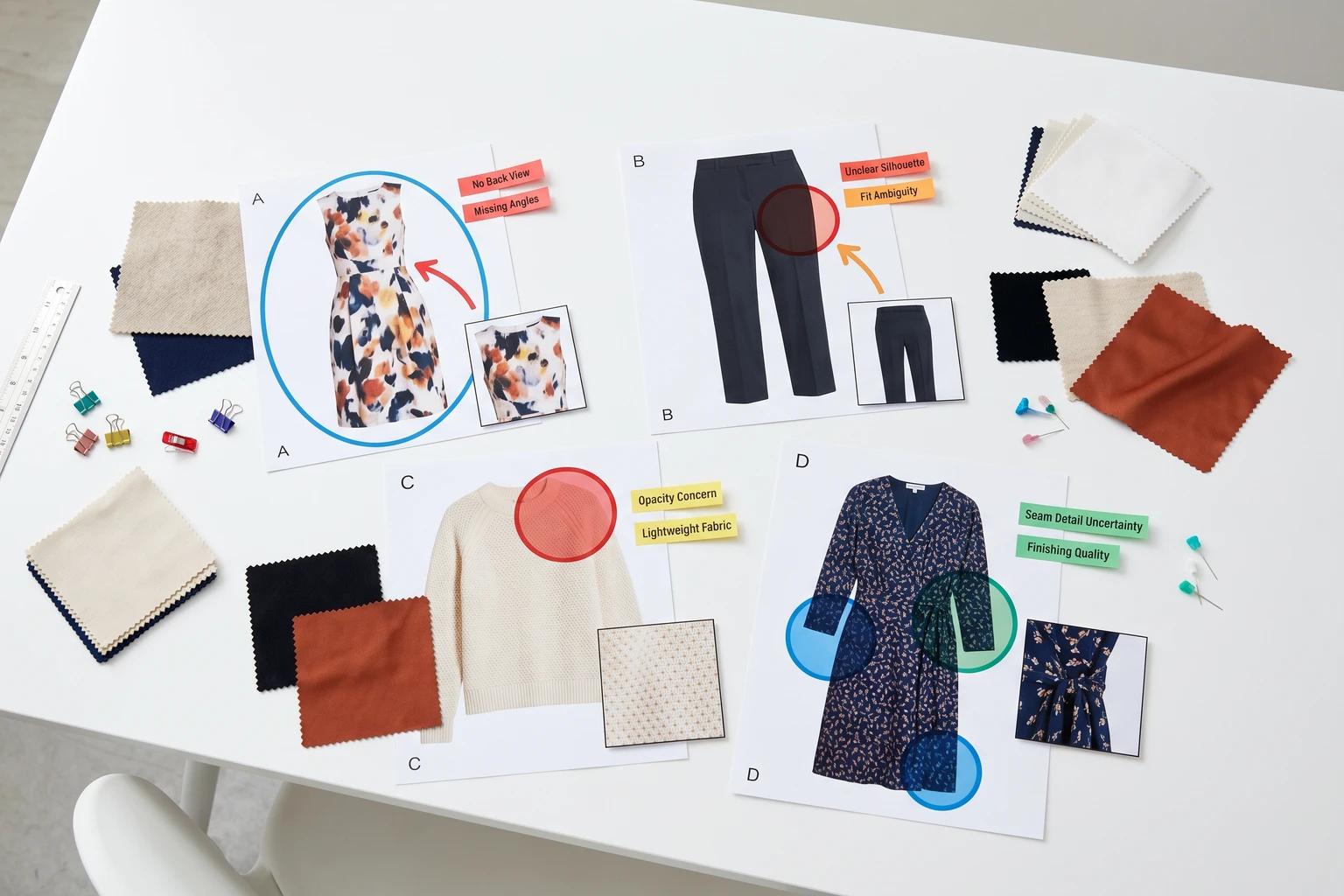
This kind of audit tends to reveal the same pattern: the page may have enough images, but not enough answers.
Match image coverage to the questions each category creates
Return-risk imagery is not identical across every product type. A knit polo and a satin maxi dress do not create the same uncertainty.
The better approach is to map your image sequence to the product questions most likely to affect the decision.
Dresses and skirts
Shoppers usually need:
- Full-length front read
- Back or three-quarter view
- Movement or drape cue
- Fabric and opacity confirmation when relevant
If those are missing, the customer is left guessing about length, cling, and transparency.
Trousers and denim
Shoppers usually need:
- Straight front silhouette
- Side view for leg shape
- Back view for seat and rise context
- Waistband or fabric detail
The return risk here is often not that the garment is wrong. It is that the visual expectation around leg line or fit was incomplete.
Knitwear and tops
Shoppers usually need:
- Neckline clarity
- Sleeve and hem shape
- Texture or knit gauge detail
- Layering read on body
Without those cues, a sweater can look heavier, lighter, boxier, or softer than it really is.
Jackets and outerwear
Shoppers usually need:
- Closed front structure
- Open styling or layering context
- Back shape
- Hardware, texture, or finish detail
Outerwear returns often come from structure surprises. The image should show whether the piece feels crisp, fluid, oversized, cropped, or heavily layered.
Once you frame coverage this way, the job gets clearer. You are not chasing a generic "better image set." You are solving the questions that most often lead to buyer regret.
Review visual honesty before you review visual style
Some of the most expensive image mistakes are subtle. The page does not look bad. It just overpromises.
That can happen when:
- A bright background lifts a colorway away from its real tone
- A retouched or generated image smooths out fabric irregularity that matters to the customer
- A cropped hero makes a garment seem shorter or longer
- One pose makes the item feel more fitted than it reads in a neutral stance
- A highly polished image suggests more opacity, structure, or volume than the product consistently delivers
This is where the approval standard from how to review AI fashion images before publishing becomes useful even for non-AI images. The central question is the same: does this image help the customer understand the product more accurately, or does it simply make the product feel more attractive?
Strong ecommerce visuals should still sell. They just cannot do it by hiding the information that will matter after delivery.
Build a return-focused image sequence, not just a polished gallery
If your team wants a simple operating rule, give each frame a return-reduction job.
For many apparel PDPs, a practical sequence looks like this:
- A clean hero that establishes the product and color clearly
- A second on-body frame that confirms silhouette from another angle
- A detail shot that proves fabric, trim, or construction
- A back or side view that removes common fit uncertainty
- A styling or movement frame that adds context without hiding the garment
That sequence will shift by category, but the logic holds. Each image should reduce one kind of doubt.
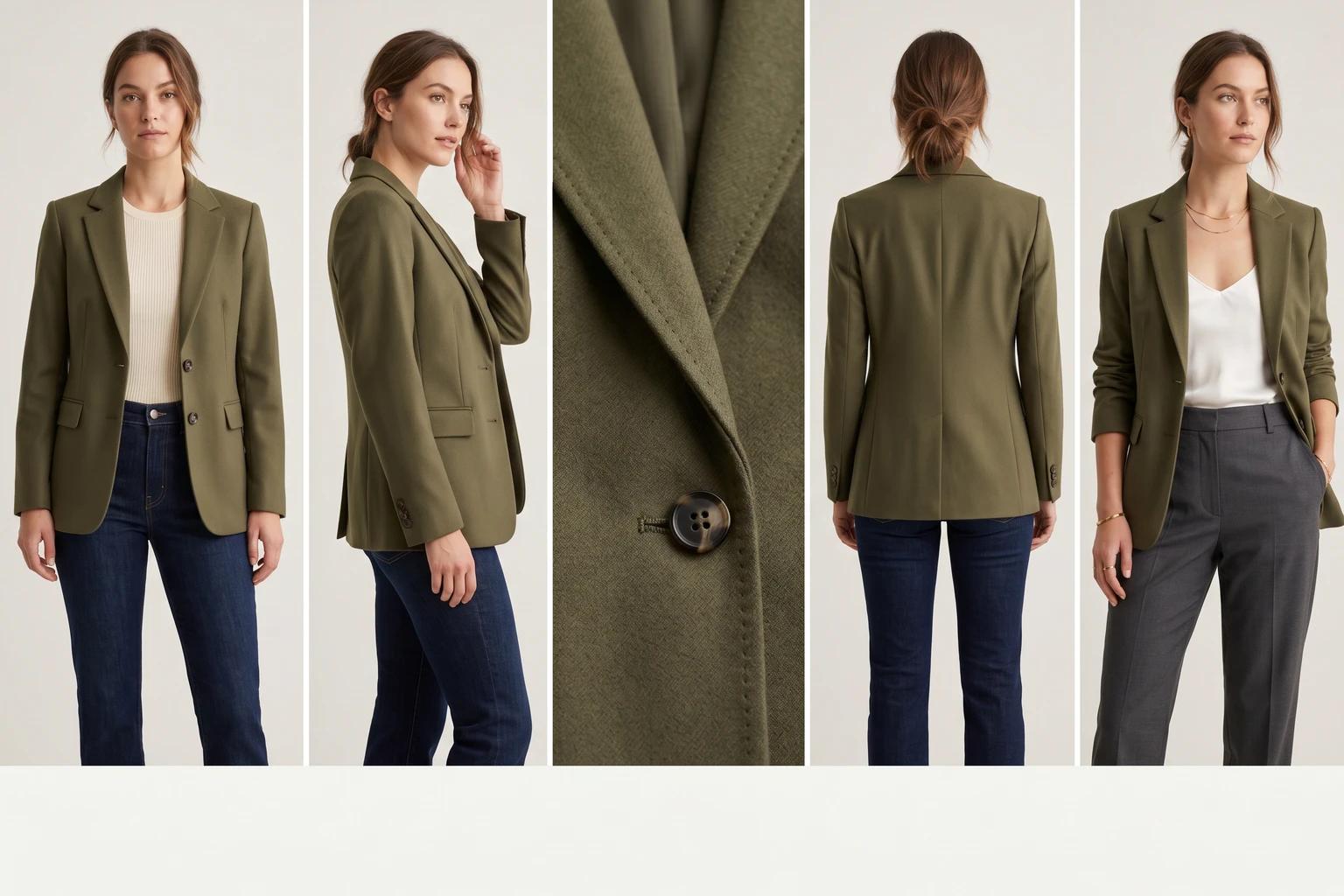
The fastest way to weaken this system is repetition. Three front-facing frames with minor pose differences may look like depth, but if they all leave the same questions unanswered, they do not lower risk.
That is why a complete image set is not the same thing as a useful one.
Use AI to close the specific gaps that create the most uncertainty
This is where AI-generated fashion imagery becomes operationally helpful, especially for teams dealing with mixed source material.
You may already have:
- A flat-lay that shows the garment clearly but lacks body context
- A mannequin shot that proves structure but feels stiff
- One strong on-model image without a back view
- A usable hero frame that still needs a more honest alternate for a lighter colorway
In those cases, a workflow inside Unstill can help close the missing answer instead of creating endless extra variations. That might mean turning a flat-lay into an on-model frame for silhouette context, converting a mannequin image into a cleaner PDP asset, or generating a more useful supporting angle for a product that does not need a full reshoot.
The guardrail is simple: use AI to complete product understanding, not to beautify away product truth.
If the ivory fabric reads slightly sheer, the output should not pretend otherwise. If the trouser drape is part of the decision, the selected frame should still show it honestly. If the pose improves energy but hides the waist and rise, it is the wrong fix.
Review your returns problem at the catalog level
One weak PDP is easy to spot. A repeat pattern across a category is where the real operational issue usually lives.
If multiple products in the same family generate similar post-purchase disappointment, the problem may be systemic:
- All light colorways are underexplaining opacity
- All trousers are missing a side view
- All oversized fits are being shot or generated in poses that make them look neater than they are
- All collection images are using background treatments that shift color perception
This is why catalog consistency matters for returns too, not just for brand polish. A repeatable visual standard makes expectation more stable from one product to the next.
Reviewing at category level also helps you decide where to invest first. You do not need to rebuild every PDP at once. Start where return questions and traffic are both high, then extend the standard across the rest of the assortment.
The takeaway
Avoidable returns often begin when the product page leaves too much room for interpretation.
Clearer fashion imagery will not solve every return reason, but it can reduce the kind driven by visual uncertainty: the shopper who expected more structure, more opacity, a different length, or a clearer fit read than the page actually supported. When each image answers a real product question, the order becomes better informed and the post-purchase experience becomes more predictable.
Try this on your next high-return category
Pick one category with repeat fit or expectation issues and audit the PDPs for missing answers, not just missing assets. Then use Unstill to add the on-model, mannequin-to-model, or alternate-angle coverage that makes the product easier to judge before it ever reaches the cart.